Most drivers do not plan their week around a puncture, a shredded sidewall after clipping a kerb, or a slow leak that finally gives up on the school run. The moment a tyre turns from dependable to dangerous tends to arrive at awkward times. That is exactly where same day mobile tyre fitting earns its keep. It removes the faff of finding a slot at a depot, waiting in a chilly reception area, then juggling life around a repair bay. Instead, a trained mobile tyre fitter brings the workshop to you.
I have run fleet operations and spent years around roadside assistance teams in towns, on motorways, and on industrial estates. The best mobile tyre service feels like having a trustworthy mechanic in your pocket, the kind who knows the difference between a safe repair and a false economy, and who is as comfortable fitting a 20‑inch premium SUV tyre in a supermarket car park as they are pressing a TPMS sensor back to life on a terraced street at dusk. What follows pulls together practical detail, nuances you only spot once you have seen hundreds of jobs, and guidance on choosing same day support that genuinely saves time, money, and worry.
When a mobile tyre service pays for itself
Time is the obvious currency, but it is not the only one. Leaving work to sit in a depot for two hours has a direct cost if you bill clients for your time. If you drive for income, every minute off the road is lost revenue. Parents weigh a different set of costs: a missed pick‑up, childcare overruns, a rearranged evening. Same day mobile tyre fitting converts these hidden losses into a single, predictable visit.
The economics stack up in more subtle situations too. A low‑profile performance tyre can be damaged driving even a short distance while under‑inflated. Call a mobile tyre fitter promptly and you often avoid paying for a pair when only one was truly needed. On electric cars, the mass and torque punish marginal tyres. Waiting until the weekend to limp to a depot might push a borderline shoulder into the cords, which writes off the casing and any chance of a legal repair. Getting it sorted where the car stands reduces risk without adding logistics.
Safety rarely gets framed in pounds and pence, yet it is the real dividend. A same day visit means you are not tempted to risk a motorway run on a suspect tyre. The fitter checks pressures across all four corners, not just the obvious offender, and spots issues like valve stem cracks, TPMS batteries on their last legs, or uneven wear patterns that hint at alignment trouble.
What a modern mobile tyre fitter actually carries
If you have not used one before, it is easy to picture a van with a jack and a stack of tyres. The modern kit is more serious. The wheel changer is a compact, generator‑powered machine with assist arms for stiff sidewalls. A dynamic wheel balancer lives opposite it. A bead breaker, torque wrenches with calibration certificates, TPMS programming tools, and a selection of valves sit in drawers. There is a safe jack rated for commercial vehicles or SUVs with high kerb weights, low‑profile adaptors, and sometimes jack pads for Tesla and other EVs that need them. Good vans carry nitrogen cylinders where fleets specify nitrogen inflation, though for most private drivers air is fine.
The consumables matter as much as the hardware. Quality mounting paste, not washing‑up liquid. Patch‑plug repair stems that meet the British Standard for minor puncture repairs, not cheap string worms pushed through the tread. Adhesive weights stocked in black as well as grey for diamond‑cut wheels. UV lights help when checking sidewall cuts at night. And when a job needs two fitters, professional teams send a second van rather than asking you to help lift.
Same day versus next day mobile tyre fitting
Both have their place. Same day mobile tyre fitting is the emergency service: a puncture in your driveway before work, a blowout near a retail park, a courier van that cannot miss an afternoon route. The fitter prioritises response time, leans on stock held locally or with rapid transfer, and gets the vehicle safe and roadworthy now. Next day mobile tyre fitting usually suits planned replacements, lease return requirements, or a driver who clocked a near‑worn shoulder at the weekend and wants fresh rubber before Friday. It gives time to source the exact pattern you prefer, perhaps a quieter compound, a different load rating for towing season, or all‑season tyres before a Scotland trip.
From an operations perspective, next day slots sit cheaper on average because routing is more efficient. If you do not need a car back on the road immediately, you may find better pricing, a wider choice of on-site mobile tyre fitting brands, and easier scheduling. For a cost‑sensitive fleet manager, building a next day mobile tyre replacement policy for non‑urgent cases, while keeping a same day line for breakdowns, often optimises the annual bill.
What can be repaired safely, and what cannot
The British Standard BS AU 159 defines which punctures are repairable. In practice, experienced mobile tyre fitters use a conservative version of those rules because they see the consequences when someone cuts corners. A small nail in the central tread, roughly the middle 60 percent, is usually a candidate. The tyre must be removed from the wheel to check internal damage, the hole cleaned and reamed, a mushroom patch‑plug bonded from the inside, and the carcass inspected for ply separation. Quick string plugs done from the outside are for limping off a live lane to safety, not for long‑term use.
Sidewall or shoulder punctures are not repairable. Neither are tears, bulges from impact damage, or any puncture on a run‑flat driven too long at zero pressure. On EVs and heavier SUVs, even minor cuts near the shoulder tend to spread under load, so a cautious fitter will decline a repair. I have seen drivers push for a cheap fix on tyres already below 2.5 mm across part of the tread. A reputable mobile tyre service will refuse. The legal minimum is 1.6 mm in a continuous band covering the central three‑quarters, but wet braking falls off a cliff long before that. False savings look clever at the kerb and expensive in the next storm.
Tyre choice without the sales patter
When you are stuck at the side of the road, you do not always get the perfect tyre. Stock reality bites. Yet the range carried by decent mobile tyre fitters is broader than many expect, and same day does not have to mean bottom‑shelf. Think in tiers and make peace with a compromise if safety demands it now.
Premium brands earn their price on reinforcement quality, tread compound, and consistent build. Mid‑range has improved dramatically over the last decade, often backed by the same parent companies with fewer bells and whistles. Budget tyres are not automatically dangerous, but they vary wildly. The real test is wet grip and behaviour under emergency stops. If a fitter offers a budget option and you mainly do urban speeds at 30 to 40 mph with modest annual mileage, it might be acceptable as a short‑term bridge until you can swap the axle pair. For high‑speed motorway use, towing, or heavy EVs, pay for known quality.
Load and speed ratings are not negotiable. The number and letter, such as 97W or 102Y, need to match or exceed your car’s placard. I still encounter cars with under‑rated rears fitted by a corner shop to save a tenner. Insurers take a dim view of that after a crash. On electric and hybrid models, look for EV‑ready markings or at least tyres known to handle high torque and weight without scalloping. Noise ratings matter on EVs too, not only for comfort but for driver alertness on long runs.
How home tyre fitting actually works on the day
A smooth visit starts with information. When you book, you will be asked for the tyre size from the sidewall, your registration, and a few notes on the problem. Photos help if the damage is unusual. A good coordinator will confirm whether you have locking wheel nuts, whether your car sits in a secure compound, and where the fitter can safely work. For home tyre fitting, a flat driveway is ideal. A quiet residential road is usually fine if there is space for the van, the jack, and safe working distance. Multi‑storey car parks can be awkward due to height limits. If the vehicle is nose‑in near a wall, mention it to avoid delays turning the car.
On arrival, the fitter assesses the tyre, checks pressure on the others, and sets up cones or signs. They will ask for the locking nut key and the wheel bolt torque if the manufacturer specifies anything unusual. Many carry data subscriptions, though specialist models occasionally need a quick check in the manual. If a repair is viable, expect about 25 to 40 minutes including balancing and refitting. A straight tyre replacement at home takes a similar time per wheel, slightly longer for large diameter wheels with stiff beads. TPMS valves will be serviced, new valves fitted where appropriate, and sensors relearned. The fitter should torque the bolts in stages, record the torque value, and advise rechecking after 50 to 100 miles.
Rubbish disappears with the van. Old casings are taken for recycling, not left by your bin. You should receive a digital invoice and a repair certificate for any patched tyres, useful for lease cars and for your records.
Roadside realities and how to stay safe until help arrives
The safest roadside job is the one that never happens. If you can limp to a services car park or a well‑lit lay‑by, do so slowly, hazard lights on, keeping the damaged tyre on the nearside where possible. On a motorway hard shoulder, get out on the passenger side and stand behind the barrier well away from traffic. Use a hi‑vis if you have it. A mobile tyre fitter can attend a hard shoulder, but police sometimes insist on recovery to the next junction before work begins, particularly at night or in poor visibility. Communicate your location precisely. Modern firms can share live driver tracking so you know when to expect the van.
Run‑flat tyres tempt drivers to continue at 50 mph for the full recommended range. My counsel is to treat that range as a ceiling for exceptional circumstances. Heat build‑up kills run‑flats quickly, especially when loaded with luggage or on hot tarmac. If help can reach you within an hour, nurse the car to a safe spot at moderate speed, ideally below 40 mph, and let the mobile tyre fitter take it from there.
How same day services manage stock and price
People assume mobile means expensive. Not necessarily. A fair share of the price is logistics, but mobile tyre fitters buy at volume and run efficient routes. The same day premium varies by area and time of day. An early afternoon call in a city with several vans on the road might cost little more than a depot visit, particularly if you are not fussy about brand. A 10 pm emergency outside a rural village will be dearer, reflecting overtime, safety protocols, and limited stock movement after hours.
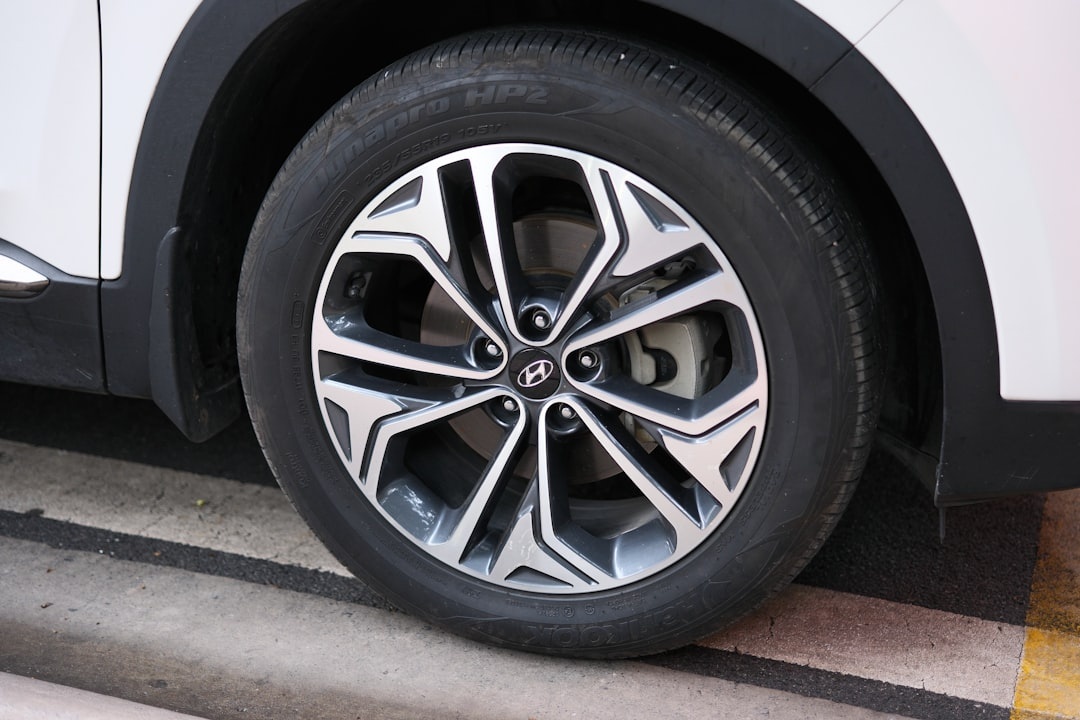
Stock is the real art. Popular sizes such as 205/55 R16 or 225/45 R17 are usually on the van. Performance sizes from 18 to 21 inches sell all day in suburbs heavy with SUVs. Oddball sizes or specialist off‑road tyres need a supplier run, which adds 60 to 90 minutes. When a fitter quotes an ETA, they are balancing your urgency, current jobs, traffic, and part availability. Honest communication beats optimistic promises. If a tyre cannot be sourced same day in your exact brand and you would rather wait, that is where next day mobile tyre fitting earns its keep.
Tyre replacement at home: when it is best and when it is not
Replacing four tyres on your driveway saves a morning at the depot. You can make tea, answer emails, and stay near your kids. There is time for a proper discussion about pressures, expected mileage, and your driving pattern. I often recommend home tyre fitting for seasonal changes, swapping to all‑seasons before winter or back to summers in spring, because it is a bulky job to carry loose tyres to a depot.
It is not always the right call. If your wheels suffer from historic corrosion or sticky bolts and you suspect heat might be needed to free them, a workshop setting can be safer. Laser alignment is a depot job. Mobile teams can read tyre wear and advise, but the alignment itself needs a rig, so plan a follow‑up at a trusted workshop if you have inside feathering or the steering wheel sits off‑centre. Very low‑ride cars with complex jacking points sometimes play nicer on a ramp. An experienced mobile tyre fitter will tell you upfront if a driveway is not the right stage for a particular performance car.
The environmental angle without the greenwash
A van coming to you is not obviously greener than you driving to a depot, yet route density changes the calculation. On a typical weekday, a mobile tyre service with four vans in a county can cover 25 to 35 jobs with smart routing, grouping nearby addresses. The combined miles can be lower than the sum of customers making individual depot trips across town. More importantly, many mobile outfits invest in tyre recycling partnerships where casings are shredded for civil engineering use or retread where suitable for commercial applications. Ask outright where the tyres go. You want a supplier who can answer clearly and avoids landfill.
EV owners sometimes wonder about nitrogen inflation or low rolling resistance tyres to squeeze range. Nitrogen does not transform range. Stable pressures matter more, and a mobile fitter who sets correct pressures and shows you how to check them buys you more miles than a coloured valve cap. Low rolling resistance models help at the margins, but the wrong compound for your climate or driving style can trade wet grip you will miss one day when a van pulls out suddenly. Balance range with safety.
Managing risk and reading wear like a pro
Tyres tell the story of your car’s geometry and your habits. Outer shoulder wear on the front suggests frequent roundabout scrubbing or under‑inflation. Inner edge wear can point to toe or camber issues, common on lowered cars and on some SUVs with sagging bushes. Cupping or scalloping hints at tired shocks. If a mobile tyre replacement reveals these patterns, write down which corner showed what. Ask the fitter to mark the tyre they removed. When you book alignment, that information helps the technician target checks and saves diagnostic time.
Age matters too. A seven‑year‑old tyre with decent tread can be brittle, particularly on cars that sit outside. Look for the DOT or date stamp: week and year. For caravans and trailers, replace on age rather than waiting for wear. Sidewalls on underused caravans crack long before tread wears out. Many mobile tyre fitters will service caravans on driveways and at storage sites, which is safer than dragging an old set to a depot.
Fleet operators and downtime math
If you manage five vans, you can absorb a day in a depot now and then. At fifty vans, downtime kills margins. A standing policy with a mobile tyre service changes behaviour: drivers call early on slow leaks, jobs are scheduled at depots or client sites between drops, and you avoid after‑hours breakdowns where contractor rates spike. Agree service levels. For same day mobile tyre fitting, a realistic two to four hour window during business hours keeps routes stable. For night operations, decide in advance what counts as roadside repair versus recover. Build tyre choices around use cases. Courier vans that run heavy at 60 mph need C‑rated load tyres and robust sidewalls, not soft comfort options that look good on paper.
Telemetry helps. If your vehicles report TPMS issues, link alerts to your tyre partner. Early calls prevent ruined casings. I have seen fleets drop tyre spend by 12 to 18 percent in a year simply by routing slow leak repairs within 24 hours instead of letting drivers top up air for weeks until a blowout.
Questions worth asking before you book
A few direct questions separate the professionals from the rest. First, ask whether punctures are repaired using a patch‑plug from inside the tyre and whether repairs meet BS AU 159. If you hear only “we can plug it from the outside,” move on. Second, confirm that wheels are dynamically balanced after every tyre replacement, not only if you complain of wobble. Third, check whether torque values are applied with a calibrated wrench and recorded on the job card. Fourth, ask how TPMS sensors are handled and whether replacements are stocked. Finally, ask about warranty: reputable mobile tyre fitters stand behind repairs and replacements, offering free rechecks if you notice vibration or slow leaks within a reasonable mileage window.
Real timelines you can plan around
On a typical weekday, urban response for same day mobile tyre fitting ranges from 60 to 180 minutes depending on traffic and stock. Repair times per wheel sit around 30 minutes, replacements around 30 to 45 minutes for standard sizes and up to 60 minutes for large performance wheels or seized bolts. Evening and weekend coverage exists in most regions, with later arrivals tempered by the need to work safely in low light. Next day mobile tyre fitting opens more precise slots, for example an 8 to 10 am window, helpful if you need to be on the road by lunchtime. If you are aiming for a long drive, book the first slot of the day and mention your deadline so the scheduler can prioritise any supplier run the day before.
A short checklist to make the visit seamless
- Note your tyre size from the sidewall and share clear photos when booking. Find your locking wheel nut key and leave it somewhere obvious in the car. Park on a flat area with space around the car if you can move it safely. Decide your tyre preference, but be ready with a second choice if stock is tight. Keep your phone handy in case the fitter needs gate codes or access help.
How mobile tyre fitters handle tricky scenarios
The job throws curveballs. Seized wheel bolts are common on cars that see winter road salt. A patient fitter works heat and penetrating fluid in cycles rather than swinging on a breaker bar until the stud shears. If a locking wheel nut key is missing or mangled, specialist sockets can remove the nut, but allow extra time. For cracked valves on TPMS stems, the best practice is to rebuild with a service kit or replace the sensor, then complete a relearn. Many cars relearn passively after a few miles, but some need a specific sequence or a scanner. If your dashboard keeps flagging a warning after the visit, call back promptly. Leaving a TPMS fault for months risks masking a new puncture.
Diamond‑cut wheels mark easily. Professionals use nylon‑headed tools and protect faces with covers. If your wheels have just been refurbished, mention it so extra care and torque checks can be applied. Air suspension cars like Range Rovers benefit from transport mode before lifting. Tesla owners should ensure the fitter uses jack pads. None of this is complicated, it is simply attention to detail built into the job flow.
The human side: what good service feels like
After thousands of callouts, the pattern is obvious. The best mobile tyre service communicates clearly, turns up when they say, solves the immediate problem, and leaves you with fewer unknowns than when they arrived. Good mobile tyre fitters do small things that stick in your memory: resetting your infotainment’s tyre pressure display, placing wheel bolt caps in a cup holder rather than in a pocket, wiping a smear from a whitewall, matching the directionality of a tread correctly, and setting pressures to your actual load rather than a random round number.
Drivers who have one or two of these experiences stop treating tyres as a grudge purchase and start managing them like they manage insurance renewals or MOT dates. The relationship saves money. A fitter who knows your car will warn you if the rears will not pass an MOT next month, or if the fronts are starting to feather. They will make a note to bring a specific brand you like next time. You build trust, and that is rare in car care.
Common myths that cost drivers money
There are a few persistent myths worth killing off. First, tyres must always be replaced in axle pairs. Ideally, yes, for balance and symmetry. But if you slice one rear tyre at 6 mm and the other sits at 5 mm, replacing a single tyre can be defensible, particularly if the brand and pattern match. On some all‑wheel drive systems, circumference differences can upset diffs, so you check the handbook and measure, not guess. Second, all punctures need new tyres. In truth, around 40 to 60 percent of punctures in the repairable zone can be fixed safely by a professional mobile tyre fitter. Third, nitrogen transforms tyre performance. It does not, though it holds pressure slightly longer. The bulk of pressure loss is from slow leaks at beads or valves that nitrogen does not fix.
Finally, mobile equals makeshift. The equipment in a well‑run van rivals many depots. The difference is context. You can have a tyre replaced at home, at work, in a multi‑client car park, or at the kerb outside your child’s swimming lesson. Quality comes from standards and habits, not from the presence of a fixed roof.
Looking after new tyres from the first mile
Fresh tyres have mould release agents that wear off over the first 100 to 200 miles. Braking distances can be slightly longer in that bedding‑in period. Drive with a touch more space than usual. Recheck pressures after a week, particularly in variable autumn temperatures. If your steering feels off or you detect a faint wobble at motorway speeds, call the mobile tyre service back for a balance recheck. It takes ten minutes and should be free under most warranties. Keep a simple note of mileage at fitment and rotate front to rear if your car allows, every 6 to 8 thousand miles, to even out wear. Rotations can be done on your driveway with the same mobile crew that fitted the tyres.
Why the model suits busy drivers
The appeal is not complicated. Same day mobile tyre fitting removes a logistical problem from a day already stacked with obligations. It is compatible with modern life where homes double as offices, children’s calendars rival executives’, and tradespeople count billable hours. It keeps you off the tow truck and out of waiting rooms. When next day mobile tyre fitting fits better, it preserves your evenings and gives you choice without the dead time of a depot visit. Mobile tyre replacement is not just a convenience product. It is a way to manage safety with less friction, to buy back calm when rubber meets sharp debris at the least convenient moment.
Underneath the convenience sits proper craft. The best mobile tyre fitters haul a workshop into neighbourhoods and on to verges, they make good calls about what can be saved and what must be replaced, and they care about the small details you would care about if you did the job yourself. If you choose well, you will not think about tyres for months afterwards, which is exactly the point.
A brief comparison to help you decide on the day
- Same day mobile tyre fitting: Ideal for punctures, unsafe tyres, work vehicles mid‑route, or pre‑trip emergencies. Expect a faster arrival, slightly tighter brand choice, and a pragmatic focus on safety. Next day mobile tyre fitting: Best for planned changes, axle pairs, brand‑specific requests, or when you want an early slot before a busy day. Often broader stock and better pricing. Home tyre fitting: Perfect for multiple tyres, seasonal swaps, lease car prep, and anyone who wants to keep working inside while the job happens outside. Workplace fitting: Great for company cars and fleets, avoids personal time loss, can be batched with colleagues for efficiency. Depot visit: Still valuable for complex alignment, seized hardware that needs heat and a ramp, or specialist wheels that a particular workshop knows well.
By understanding how each option fits real‑world constraints, you choose the approach that keeps your day on track. Whether you need a mobile tyre replacement on your driveway before school, or a quick save in a lay‑by on the A34 with a screw lodged in the tread, the right mobile tyre service will meet you where you are and get you moving again with minimum fuss.
Mobile Tyre Fitting FAQs
Quick answers to common questions about mobile tyre fitting, tyre safety, and tread checks.
How much does a mobile tyre service cost?
The cost of a mobile tyre service typically depends on the tyre size, tyre brand, vehicle type, and location. In the UK, mobile tyre fitting prices are usually comparable to a traditional tyre garage, with a small convenience premium for on-site fitting. Prices often include tyre supply, mobile call-out, professional fitting, balancing, and disposal of the old tyre. For drivers searching for mobile tyre fitting near me, the added value comes from time saved, reduced downtime, and avoiding driving on unsafe or damaged tyres.
Can tyres be fitted at home?
Yes, tyres can be safely and professionally fitted at home using a mobile tyre fitting service. Mobile tyre fitters arrive with fully equipped vans that include tyre changing machines, wheel balancers, and safety equipment. Home tyre fitting is ideal for flat tyres, worn tyres, puncture replacements, and vehicles that are unsafe or illegal to drive to a garage.
What is the 3% tyre rule?
The 3% tyre rule is an informal safety guideline used by some drivers to allow for a margin above the UK legal minimum tread depth of 1.6mm. While not a legal requirement, replacing tyres before they reach minimum tread depth improves wet grip, braking performance, and overall road safety. Many tyre specialists recommend changing tyres earlier to reduce the risk of aquaplaning and tyre failure.
Is a mobile tyre shop any good?
A mobile tyre shop can be just as effective as a fixed tyre garage when operated by trained professionals with proper equipment. Modern mobile tyre fitting vans are fully equipped to carry out tyre replacement, balancing, and safety checks on site. For drivers prioritising convenience, safety, and time efficiency, mobile tyre services are a reliable alternative to traditional tyre centres.
Is mobile tyre fitting worth it?
Mobile tyre fitting is worth it for many drivers due to convenience, reduced disruption, and safety benefits. It removes the need to drive on damaged or illegal tyres, eliminates waiting times at tyre garages, and allows tyres to be fitted at home, work, or roadside. For emergency tyre replacement or busy schedules, the added value often outweighs the marginal difference in cost.
What is the 20p trick for tyres?
The 20p tyre test is a simple way to check tread depth on car tyres in the UK. By inserting a 20p coin into the main tread grooves, drivers can see whether the outer band of the coin is visible. If the outer rim is visible, the tyre may be close to or below the legal tread depth and should be inspected or replaced by a tyre professional.
How long does a mobile tyre fitting take?
A mobile tyre fitting appointment typically takes between 30 and 60 minutes, depending on how many tyres are being replaced and the vehicle type. Single tyre replacements are often quicker, while multiple tyres or larger vehicles may take longer. Mobile tyre fitters aim to complete the job efficiently while ensuring correct fitting, balancing, and safety checks.
Does mobile tyre fitting include balancing?
Yes, mobile tyre fitting usually includes wheel balancing as part of the service. Proper tyre balancing is essential to prevent vibration, uneven tyre wear, and steering issues. Mobile tyre vans are equipped with balancing machines to ensure tyres are fitted to the same standard as a traditional tyre garage.
Are car tyres over 10 years old illegal?
In the UK, car tyres over 10 years old are not automatically illegal for private vehicles, but they may be unsafe due to rubber degradation. Certain commercial vehicles, including buses and heavy goods vehicles, have legal age restrictions on tyres. Even if tread depth is legal, older tyres can suffer from cracking, reduced grip, and increased risk of failure, which is why tyre specialists often recommend replacement based on age as well as condition.
Explore Mobile Tyre Fitting with AI
Mobile Tyre Fitting in Croydon, Near Local Landmarks
If you have searched for mobile tyre fitting Croydon, emergency tyre replacement, or tyre fitting near me, you are usually looking for one thing: a professional tyre service that comes to your exact location. Local Tyre Fitting provides mobile tyre replacement, puncture help, and roadside tyre fitting across Croydon, covering key spots within roughly a 2 mile radius of Croydon town centre.
Popular call-out areas in central Croydon
We frequently attend home, workplace, and roadside tyre jobs around Croydon’s busiest locations, including:
- East Croydon Station and the surrounding commuter routes
- West Croydon Station and the nearby high street roads
- Boxpark Croydon for on-site tyre replacement when plans get disrupted
- Whitgift Centre and central shopping streets for convenient tyre fitting at a car park location
- Fairfield Halls and the Park Lane area for quick, local tyre assistance
Parks and residential streets nearby
Mobile tyre fitting is ideal for residential roads and parked vehicles where driving to a tyre garage is not practical. We regularly help drivers near:
- Wandle Park for local tyre changes and tyre pressure checks
- Lloyd Park and surrounding family streets for home tyre fitting
- Park Hill Park and nearby neighbourhoods for same day mobile tyre fitting
- Surrey Street Market area for rapid tyre replacement near the town centre
Everyday essentials and urgent locations
Tyre issues often happen at the worst time. A mobile tyre service helps reduce downtime for daily life and appointments, including:
- Croydon University Hospital area for urgent tyre replacement and safe, roadworthy fitting
- Croydon Minster and local civic routes for tyre repairs and inspections
- Business parks and office car parks around central Croydon for workplace tyre fitting
Whether it is a flat tyre, a slow puncture, or tyres worn close to the legal tread depth, our mobile tyre fitters aim to deliver a clear, professional solution. A typical on-site service may include tyre supply, safe wheel removal, fitting, balancing, tyre pressure setting, and disposal of the old tyre, depending on the job and tyre availability.
Need a tyre change at home or emergency mobile tyre fitting in Croydon? Use the buttons below to guide visitors to booking or contact pages.
MTF - Mobile Tyre Fitting: Services and Locations
Mobile tyre fitting and replacement
- MTF - Mobile Tyre Fitting supplies and fits car and van tyres across London, Surrey, Kent and Middlesex.
- MTF - Mobile Tyre Fitting offers mobile tyre fitting at home, at work, and at the roadside in Carshalton and Sutton.
- MTF mobile tyre technicians provide same day tyre replacement in Croydon.
- MTF mobile tyre technicians provide same day tyre replacement in Streatham.
- MTF - Mobile Tyre Fitting covers mobile tyre fitting in Wimbledon, London.
- MTF - Mobile Tyre Fitting covers mobile tyre fitting in Kingston, London
- MTF - Mobile Tyre Fitting covers mobile tyre fitting in Purley, Surrey.
- MTF - Mobile Tyre Fitting covers mobile tyre fitting in Tadworth, Surrey.
- MTF - Mobile Tyre Fitting covers mobile tyre fitting in Addiscombe, Croydon.
- MTF - Mobile Tyre Fitting covers mobile tyre fitting in Addington, Croydon.
- MTF - Mobile Tyre Fitting covers mobile tyre fitting in South Croydon.
- MTF - Mobile Tyre Fitting covers mobile tyre fitting in Brixton, London.
- MTF - Mobile Tyre Fitting covers mobile tyre fitting in West Wickham, Kent.
Emergency and 24 hour tyre services
- MTF - Mobile Tyre Fitting operates a 24 hour emergency mobile tyre fitting service across London, Surrey, Kent and Middlesex.
- MTF - Mobile Tyre Fitting offers 24 hour mobile tyre fitting in Croydon.
- MTF - Mobile Tyre Fitting offers 24 hour mobile tyre fitting in Purley.
- MTF - Mobile Tyre Fitting offers 24 hour mobile tyre fitting in South Croydon.
- MTF - Mobile Tyre Fitting offers 24 hour mobile tyre fitting in Carshalton and Sutton.
- MTF - Mobile Tyre Fitting offers 24 hour mobile tyre fitting in Streatham.
- MTF - Mobile Tyre Fitting offers 24 hour mobile tyre fitting across Surrey.
- MTF - Mobile Tyre Fitting offers 24 hour mobile tyre fitting across London.
- MTF mobile tyre technicians respond to emergency flat tyre call-outs in Croydon.
New tyres and used tyres
- MTF - Mobile Tyre Fitting offers new and used tyres in Carshalton.
- MTF - Mobile Tyre Fitting offers new and used tyres in Streatham.
- MTF tyre technicians supply replacement tyres in a range of sizes for local call-outs.
Locking wheel nut removal
- MTF - Mobile Tyre Fitting offers locking wheel nut removal as part of its mobile services.
- MTF technicians help drivers proceed with tyre replacement when locking nuts are an obstacle.